I’m Dreas van Donselaar ( ). I’m an entrepreneur, comfortable with computers from a young age, and for many years I was co-founder and CTO of an email security company. After the company was acquired, my focus shifted more towards home, three young children, a family trip to New Zealand, and working a little less in top gear.
At home we have five backyard hens. I don’t know much about chickens, we simply liked the idea, and as long as you do not calculate what those ‘fresh eggs from our own garden’ actually cost in feed, vet bills, and housing, they are wonderful.
When RIVM advised people not to eat eggs from hobby chickens because of PFAS, I wanted to know, what does that mean for us? We live on the Utrechtse Heuvelrug, so, honestly, I did not expect high levels. I also found the explanation vague. Surely it would be the feed, or grit, hemp bedding, mealworms, water, something like that. Why was this not already clear? And why would commercially produced eggs contain less PFAS?
The only way to know for sure is to test your own eggs, and that is expensive.
So I put my own result online on a website I built myself (here). Creating the first version took me ten minutes with WordPress and a simple map plugin, one of the advantages of a technical background.
At first it was a practical idea, if you live nearby and keep chickens too, you might not need to spend the money straight away. A neighbourly favour.
But then many more people started sharing their results, along with extra information about their hens and their situation. By now there are over 800. And that is when it became clear, this is not a simple case of ‘here it’s fine, there it isn’t’. It varies from place to place, and often even between tests at the same address. I found myself getting pulled deeper into a puzzle that did not become easier with more data, it became harder.
I have no commercial interest in testing or laboratories. This started out of curiosity, and because I believe transparency and finding out beats speculation. The cost of this website and my 5 PFAS tests is negligible compared to the cost of the ‘chicken villa’ our free-range ladies live in, everything is relative.
What surprised me as well is how many people have contacted me, from all corners of society, and almost always positively. I had never realised how much chickens seem to connect people, and how an egg from your own garden can sometimes spark more conversation than PFAS blood values in humans.
At a certain point, a researcher from Wageningen University got in touch. He also keeps chickens, and he had a few ideas he wanted to test using the data. That seemed like a good plan. And, honestly, it immediately produced insights I would never have found on my own.
We were both gripped by the subject.
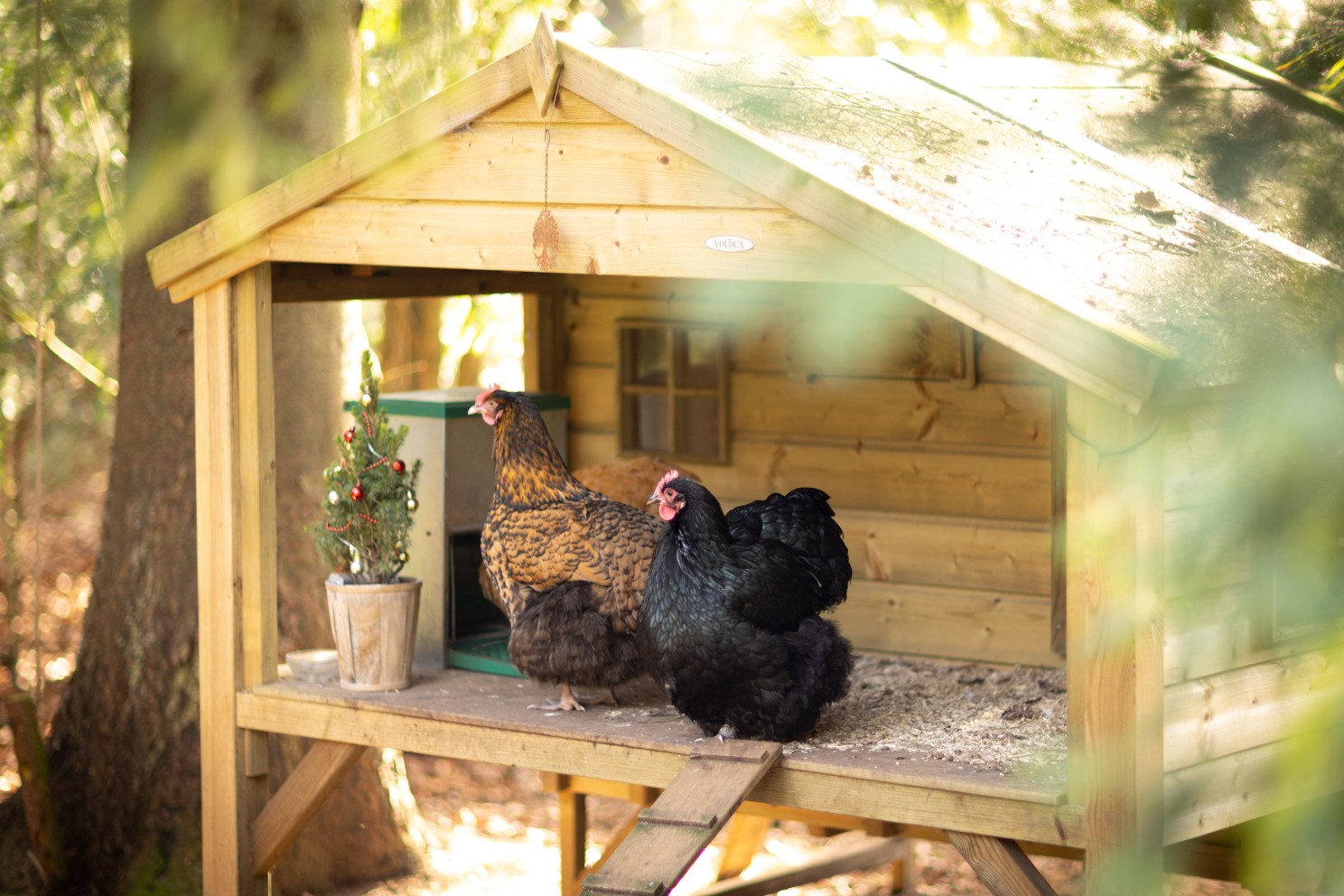
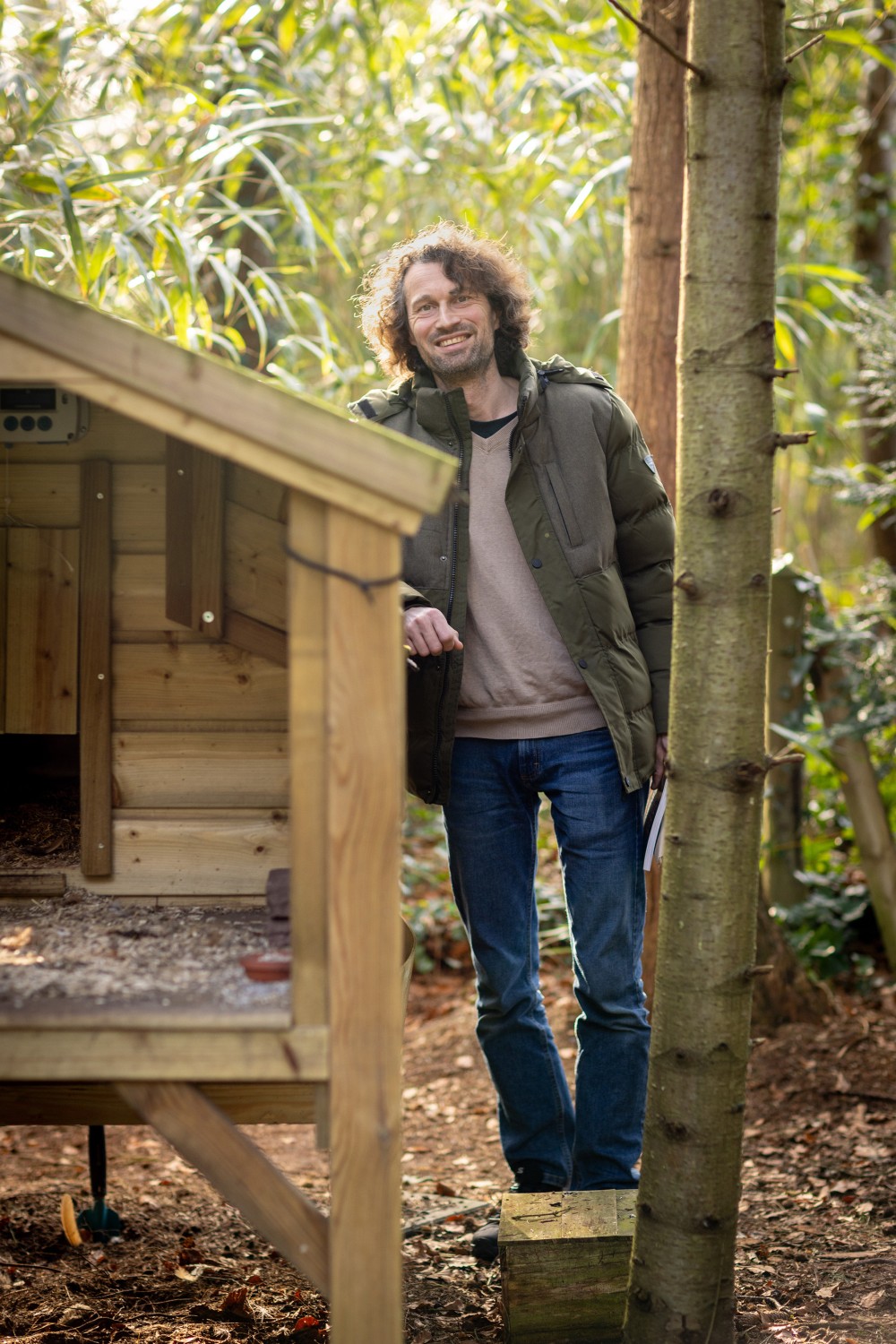
Dreas next to the chicken coop. Photos: Liesbeth Paardekooper.